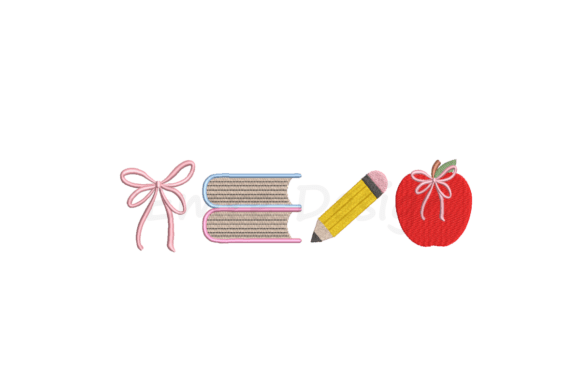
Coquette School Embroidery, Graduation
A Business-First Review for Merchandise & Branded Patches
As an embroidery designer who’s developed hundreds of commercial designs for small businesses—from neighborhood bakeries to indie florists and Etsy craft studios—I approached Coquette School Embroidery, Graduation with a very specific question: Does this design translate into real-world brand value? Not just as a decorative motif, but as a functional, scalable, and trustworthy element of small business merch—especially in the Back To School season, where authenticity and approachability matter more than ever.
First Impression: Playful, Polished, and Purposefully Human
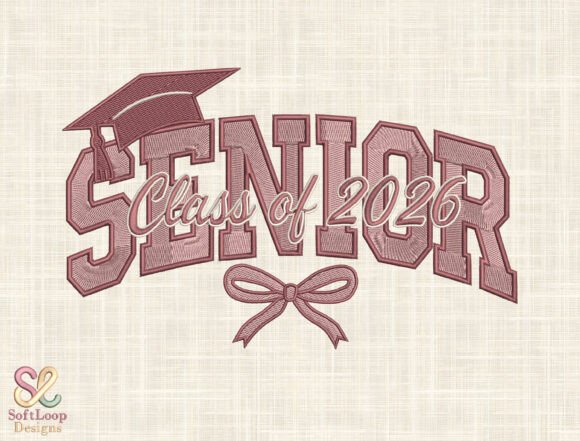
The name alone tells a story: Coquette School Embroidery, Graduation signals charm, lighthearted celebration, and a gentle nod to tradition—without stiffness. Based on the description—“a charming embroidery design… fun and whimsical”—this isn’t a rigid academic seal or a corporate badge. It’s a machine embroidery design built for warmth. Think handwritten flourishes, soft curves, and visual breathing room—not tight kerning or aggressive angles. That makes it ideal for brands that lead with personality: a pet boutique launching “Pup Graduation” bandanas, a creative studio gifting embroidered tote bags to workshop attendees, or a local café rolling out staff aprons for their “Barista Bootcamp” summer program.
Where It Shines in Real Small Business Use
Coquette School Embroidery, Graduation performs exceptionally well across high-impact merchandise categories:
- Embroidered patch: Perfect for iron-on or sew-on application on denim jackets, backpacks, or shop signage—its balanced proportions hold up beautifully at 2.5"–3.5" width.
- Apron embroidery: Placed subtly on the chest or pocket, it adds a signature touch without overwhelming utility-focused fabric.
- Cap embroidery: Works best on structured front panels (not curved bill seams), especially when scaled to 2" wide—its open letterforms avoid crowding.
- Tote bag design: As a centered chest mark or bottom-corner accent, it elevates reusable bags from generic to branded—ideal for boutiques or farmers’ market vendors.
- Custom apparel: On lightweight tees or relaxed-fit work shirts, it reads clearly without heavy stitch density—critical for comfort and durability.
- Product packaging accents: When stitched onto fabric tags or gift wrap sleeves, it reinforces handmade product integrity and seasonal relevance.
Crucially, it supports commercial embroidery workflows: clean vector-based outlines (assuming standard digitizing), moderate fill areas, and intentional negative space—meaning fewer thread breaks and smoother runs on multi-head machines.
Use With Intention: Where Caution Applies
Even charming designs have limits—and recognizing them early saves time, fabric, and client trust. Here’s where to pause before stitching Coquette School Embroidery, Graduation:
- Small patch sizes under 2": Delicate flourishes may blur; always test at actual production scale.
- Cap fronts with extreme curvature: Avoid placing near the crown seam unless digitized with stretch compensation.
- Textured or napped fabrics (like terry cloth towels or fleece): High detail can sink or distort—opt for simplified versions or adjust underlay.
- Dark uniforms or black caps: Confirm thread color contrast—pastel or metallic threads may lack legibility without a white underlay.
- Frequently washed items (e.g., staff aprons, kid-sized merch): Prioritize high-quality polyester threads and dense enough satin stitching to prevent fraying over time.
Brand Identity Impact: More Than Just Aesthetic
This isn’t decoration—it’s brand language in thread. Coquette School Embroidery, Graduation strengthens brand identity by signaling approachability, craftsmanship, and seasonal intentionality. For a small business, that builds immediate recognition and emotional resonance: customers don’t just see a logo—they sense care, continuity, and shared celebration. Used consistently across aprons, tote bags, and packaging, it creates visual consistency that elevates perceived product value and supports buyer engagement—especially among audiences who prioritize handmade presentation and story-driven purchases.
Practical Designer Notes Before You Stitch
Before sending Coquette School Embroidery, Graduation to production—or offering it to clients—follow these field-tested steps:
- Test it in black and white first: Does the silhouette read clearly without color cues?
- Check scalability: Does it retain charm and legibility at your smallest intended patch size?
- Review thread color contrast on target fabric swatches—not just screens.
- Inspect spacing between elements: Tight loops or overlapping flourishes may need manual cleanup in the embroidery file.
- Confirm hoop size compatibility: Will it fit your most-used hoops without re-hooping mid-stitch?
- Test on real fabric: Run a sample on your go-to stabilizer + garment combo—fabric texture changes everything.
- Create a printable mockup: Present it alongside your other design assets so clients visualize cohesion.
- Compare side-by-side with existing logos or typography: Does it complement—not compete with—your brand voice?
- Verify commercial licensing: Since this is a digital embroidery file, confirm usage rights cover small business merch, resale, and client projects.
Remember: every stitch carries your reputation. Coquette School Embroidery, Graduation delivers personality—but only when matched with thoughtful execution. Whether you’re embroidering graduation-themed merch for a local tutoring center or adding a playful twist to your own boutique’s summer collection, let this design serve your business goals—not just your aesthetic ones.