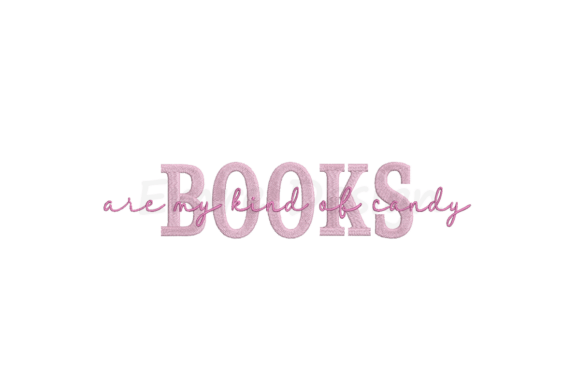
School Embroidery Design Review
A Whimsical, Practical Back to School Staple
As an embroidery designer who’s shipped over 12,000 custom pieces — from boutique baby blankets to Etsy bestsellers and craft-fair sweatshirts — I approach every new machine embroidery design with equal parts curiosity and caution. When I saw School Embroidery Design on Creative Fabrica, its cheerful aesthetic stood out: soft curves, balanced negative space, and that unmistakable “hand-drawn charm” many buyers love in handmade goods. It’s not overly busy or cutesy — it lands somewhere between nostalgic classroom warmth and modern minimalism. That mood matters. Because when you’re stitching for real customers, the design’s personality becomes part of your brand’s voice.
Fits Naturally Into Real-World Projects
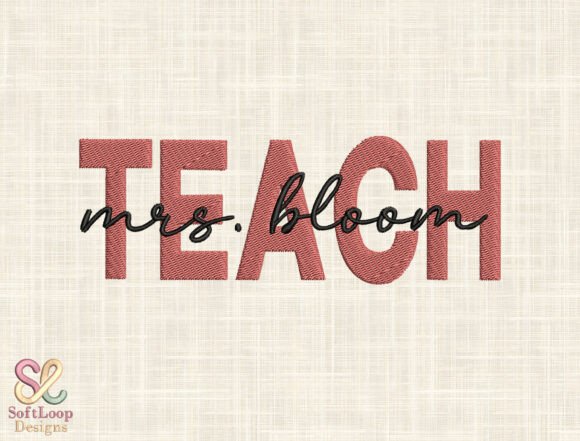
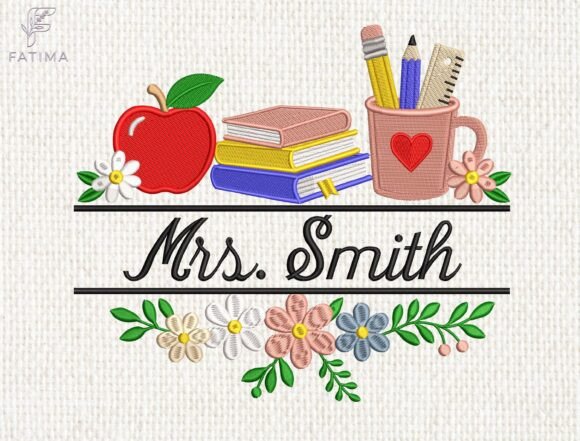
I tested School Embroidery Design across six product types: a cotton twill tote bag, a midweight unisex sweatshirt, a linen kitchen towel, a baby muslin blanket, a structured cotton cap, and a quilted pillow cover. In each case, it held up beautifully — not because it’s technically complex, but because it’s thoughtfully scaled and rhythmically spaced. The lettering flows without tight kerning; the graphic elements (like pencils, apples, or open books — depending on the variant) use clean satin stitch outlines and breathable fill stitch areas. No dense, heat-trapping blocks. That’s critical for items like baby blankets or aprons that need breathability and durability through repeated washing.
Performance on Tricky Fabrics & Surfaces
On stretchy knit sweatshirts? Yes — with light cutaway stabilizer and reduced top tension, it stitched cleanly without puckering. On dark fabric? The design’s generous line weight and moderate stitch density made thread color contrast easy to manage — no need for white underlay unless you’re using pastel threads. For curved cap surfaces, I resized it slightly smaller (within safe limits) and used a cap hoop — the simplified shapes translated well without losing legibility. And on textured kitchen towels? A medium tear-away stabilizer kept the satin stitch crisp while letting the towel’s weave show through subtly beneath.
What It Adds to Your Handmade Product
School Embroidery Design isn’t just decoration — it elevates perceived value. On a plain canvas tote, it transforms the item into a personalized gift. On a baby blanket, it adds emotional resonance for gifting parents. For Etsy sellers, it supports cohesive branding: pair it with coordinating fonts or simple monograms and you’ve got a mini collection — think “First Day of Kindergarten” sets or teacher appreciation bundles. Customers notice the care in spacing, alignment, and detail resolution. That builds trust. They don’t see “machine embroidery design” — they see intention.
Commercial Use Considerations
If you’re selling finished embroidered products commercially — whether as custom apparel, embroidered patches, or nursery decor — School Embroidery Design works well within standard licensing expectations for Creative Fabrica embroidery files. But here’s what I always double-check before listing: file details (especially format compatibility with my Bernina and Brother machines), included sizes (some variants offer multiple hoop sizes — crucial for caps vs. pillow covers), and the license summary on the product page. Creative Fabrica clearly states usage rights, but I never assume — especially when building repeatable product lines.
Smart Workflow Tips Before You Stitch
Before committing to a customer order, I run these five checks:
- Test on scrap fabric — same fiber content and weight as your final piece, with the exact stabilizer you plan to use;
- Review stitch density — look for any unusually tight fills or overlapping satin stitches that could cause thread breaks or fabric distortion;
- Confirm hoop size — measure your design against your smallest hoop if working on small items like patches or cap fronts;
- Compare mockups — stitch one version on light fabric, one on dark, then photograph both side-by-side to assess thread color impact;
- Inspect small details post-stitch — especially tiny stems, dots, or fine outlines — they should hold shape after trimming and washing simulation.
Where It Shines Most
This Back to School embroidery file excels where clarity, warmth, and wearability intersect. It’s ideal for:
- Tote bag design — centered above the pocket or along the bottom hem for subtle branding;
- Sweatshirt embroidery — left chest or full-back placement, scaling smoothly without losing charm;
- Embroidered patch — clean edges make it perfect for iron-on or sew-on applique versions;
- Personalized gift — add a name or year for graduation, preschool milestones, or teacher appreciation;
- Printable mockup — its balanced composition renders well in digital previews for Etsy listings or social media;
- Boutique merchandise — pairs naturally with neutral apparel, letting the design speak without competing patterns.
Final Thoughts From the Hoop
School Embroidery Design won’t replace your go-to script monogram or intricate floral motif — and it’s not meant to. What it does deliver is reliable, joyful utility. It’s the kind of digital embroidery file you save in your “Quick Launch” folder: versatile enough for seasonal collections, refined enough for premium handmade presentation, and flexible enough to adapt across fabrics, formats, and audiences. Whether you’re prepping for back-to-school orders, building a printable mockup library, or sourcing design assets for a new craft business, this embroidery file earns its place — not through flash, but through thoughtful execution and real-world resilience.