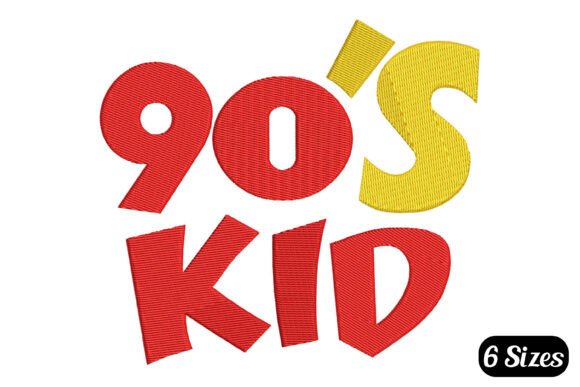
Retro 90s Kid Embroidery Design
First Impressions: Charm, Clarity, and Quiet Nostalgia
As an embroidery designer who’s tested hundreds of digital embroidery files for personalized gift shops and Etsy sellers, I opened Retro 90s Kid expecting playful energy—and found something more nuanced. It’s not loud or cartoonish; it’s sweetly understated, with soft outlines, gentle curves, and a quiet wink to childhood nostalgia. The design feels handmade—not digitized-to-perfection, but thoughtfully crafted with breathing room between elements. That subtle imperfection? It’s intentional charm. For baby embroidery or wedding keepsakes, that warmth builds instant emotional connection. It reads as modern-retro rather than kitschy—ideal for customers who love vintage aesthetics but prioritize elegance over irony.
Where This Design Truly Shines
Retro 90s Kid is a versatile anchor for meaningful personalization. On a cotton baby blanket? It adds tenderness without overwhelming delicate fabric. Stitched onto a linen kitchen towel? It elevates everyday utility into a curated heirloom. As a pillow cover for a nursery or guest room, it invites conversation and comfort. For wedding gifts, pair it with monogrammed initials or a date in a clean sans-serif thread to create a “first home” keepsake that honors shared childhood roots. Tote bags and aprons become signature pieces for small shop owners—especially those leaning into Back To School themes with a nostalgic twist (think teacher appreciation bundles or student welcome kits).
Etsy sellers will appreciate how well Retro 90s Kid photographs: its balanced composition and mid-tone contrast make it easy to stage on neutral backgrounds, and the retro motif encourages storytelling in product descriptions (“For the grown-up who still keeps their Tamagotchi charged”). As a digital embroidery file, it performs beautifully across categories—from embroidered towel collections to custom order previews for craft fairs. Even blanket embroidery benefits from its moderate scale and open stitch layout, which avoids stiffness while retaining clarity.
Use With Intention: Fabric, Fit, and Functionality
This isn’t a one-size-fits-all machine embroidery design. Its appeal lies in thoughtful placement—not blanket coverage. Avoid using Retro 90s Kid on highly textured fabric like terry cloth loops or heavy canvas without extra stabilizer testing. Thick towels require a cutaway stabilizer and possibly reduced stitch density to prevent puckering. Stretchy baby clothes? Proceed cautiously—test first on scrap knit fabric with tear-away + light cutaway combo, and avoid areas near seams or elastic where distortion occurs.
Small lettering or fine linework isn’t the focus here, so don’t force it into tight spaces like collar bands or narrow apron straps. Curved surfaces—like mugs or rounded tote handles—will distort the shape unless you use specialized hooping techniques or opt for flat-panel application only. Dark fabric demands high-contrast thread colors: navy with cream or charcoal with pale yellow reads beautifully, but black-on-black will vanish. And remember: frequent washing affects longevity. Recommend cold wash, gentle cycle, and air dry to preserve the handmade product’s integrity.
Why Gifting Changes When You Choose This Design
Retro 90s Kid quietly raises perceived value. It doesn’t scream “custom”—it whispers “thoughtful.” Customers browsing for a personalized gift respond to that nuance. A baby embroidery piece with this design feels less like mass-produced decor and more like a story stitched in thread. That translates directly to trust: buyers know you didn’t grab the first free file online—you selected something with intention. For wedding gift designers, that intention signals care and curation. For small business owners, it supports premium pricing without justification.
Photography improves too. Because the design balances detail and simplicity, it captures well in natural light—even on mobile. No need for heavy editing or studio lighting to sell the finished product. And emotionally? It invites memory-making. Parents see their own childhood; newlyweds recall school dances and mixtapes; teachers smile at classroom nostalgia. That resonance drives engagement, repeat orders, and heartfelt reviews—the kind that convert browsers into loyal customers.
Practical Embroidery Notes Every Maker Should Follow
Before stitching your first customer order, run these checks:
- Test on scrap fabric—match both fiber content and weight to your final product (e.g., test on actual baby onesie knit, not quilting cotton).
- Confirm thread color contrast before hooping. What looks vibrant on screen may mute on fabric—especially pastels on ecru or heather gray.
- Verify hoop size compatibility. If your machine requires a 4x4 hoop but the design pushes those limits, check if scaling is safe—or if trimming details would compromise charm.
- Review stitch density. Overly dense fills can overwhelm lightweight fabrics. If the file includes satin borders or tight fills, consider adjusting density by 5–10% for breathable results.
- Use proper stabilizer: tear-away for stable wovens, cutaway for knits or towels, and water-soluble for delicate lace overlays.
- Compare light and dark fabric mockups side-by-side. A printable mockup helps visualize how thread choices land before committing to full production.
- Inspect small details post-stitch: eyes, hair strands, or tiny accessories should remain legible after trimming and washing simulation.
- Confirm commercial licensing before selling finished products. Since Retro 90s Kid is positioned for personalized gift use, ensure your source permits resale of embroidered items—not just personal use.
Finally, keep your customer in mind—not just the stitch count. A grandmother ordering a baby embroidery blanket wants reassurance that the design feels timeless, not trend-chasing. A wedding gift buyer wants confidence it’ll hang proudly on a wall years later. Retro 90s Kid delivers that quiet staying power—when used with care, context, and craft.