Cute Elf ABC Embroidery Design
First Stitch, First Impression: A Design That Smiles Back
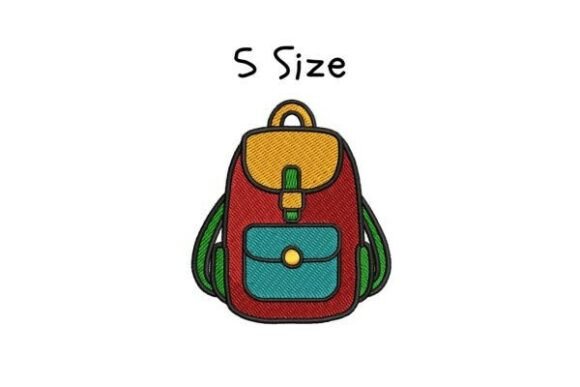
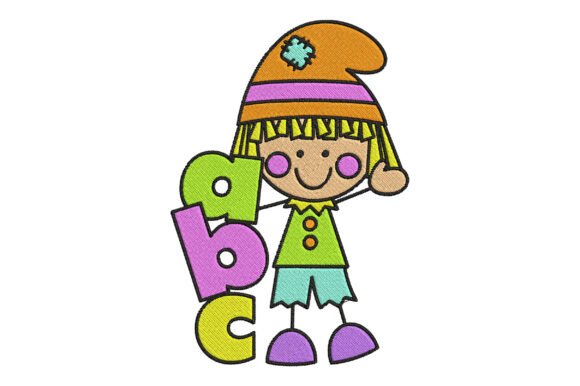
When I opened the Cute Elf ABC Embroidery Design file and previewed it in my embroidery software, what struck me wasn’t just the charm—but the intentionality. There’s a kid character with rosy cheeks and a backpack, surrounded by bold, rounded alphabet letters, each one distinct but harmonized in scale and weight. It doesn’t shout “ABC”—it invites. The layout feels balanced for a 4×4 hoop, with gentle spacing between elements that avoids visual crowding. This isn’t a dense fill-stitch alphabet chart; it’s a machine embroidery design built for readability *and* warmth—exactly what you want when stitching for preschoolers, nursery decor, or personalized back-to-school gear.
Real-World Test: Tote Bags, Sweatshirts, and the “Oh, I Need One!” Moment
Last week, I prepped a custom order: embroidered canvas tote bags for a local Montessori co-op’s welcome kits. I chose the Cute Elf ABC Embroidery Design for the front panel—centered, scaled to 3.8 inches wide—and stitched it on medium-weight natural canvas with tear-away stabilizer. The result? Instant engagement. Parents paused at the craft fair booth, pointed, and said, “That’s my daughter’s name—can you do ‘E’ and ‘L’?” That’s the quiet power of this design: it reads clearly at arm’s length, holds up in natural light, and carries enough personality to feel handmade—not mass-produced. On sweatshirts? Yes—but opt for midweight fleece, not thin jersey. The letterforms have friendly thickness, so they don’t vanish into knit texture. On baby onesies? Use lightweight cut-away stabilizer and reduce top tension slightly—the small facial details (like the elf’s tiny smile) stay crisp without puckering.
Where It Shines—and Where You’ll Want to Pause
The Cute Elf ABC Embroidery Design excels in projects where approachability matters: embroidered patches for classroom cubbies, pillow covers for daycare nap time, tea towels for preschool kitchens, or aprons for little bakers. Its cheerful tone supports brand consistency for Etsy sellers offering themed bundles—think “Back To School” + “Nursery Rhyme” digital embroidery files. But be mindful: the backpack graphic includes fine strap lines and small lettering inside the “A” and “B”. Those details hold up beautifully on stable fabrics like cotton twill or denim, but may blur on highly textured linen or stretchy bamboo blends. On dark fabric, test thread contrast first—especially for the pale yellow and mint green letter accents. And avoid placing it across curved surfaces like cap fronts unless you’re confident in your hooping technique and have tested the distortion on scrap.
Stitch Density & Fabric Respect
This isn’t a low-density outline-only design—it uses thoughtful combinations of satin stitch for letter edges, smooth fill stitch for solid shapes, and subtle running stitch for whisker-like highlights. That means it needs appropriate stabilizer support, especially under the kid’s head and backpack area where stitch layers overlap. On lightweight cotton, skip the heavy tear-away; go for medium-weight cut-away instead. Over-stabilizing here can make the finished product stiff and less gift-ready. Under-stabilizing? You’ll get shadowing on the back—and frustrated customers wondering why their “handmade product” looks wrinkled after one wash.
What It Adds to Your Craft Business—Beyond the Thread
As an Etsy seller who’s shipped over 200 custom embroidered items, I can tell you: designs like Cute Elf ABC Embroidery Design quietly lift perceived value. Customers don’t just buy letters—they buy nostalgia, reassurance, and joy. When stitched cleanly on a muslin drawstring bag or organic cotton bib, it signals care. That translates to better reviews, repeat orders, and stronger branding for your shop. It also works well in printable mockups—its balanced proportions and clear silhouette render cleanly in flat-lay and lifestyle shots, helping your digital embroidery file listings stand out without over-editing.
Practical Designer Notes Before You Stitch
- Always test first: Run the Cute Elf ABC Embroidery Design on scrap fabric matching your final project’s weight and weave.
- Check thread color contrast: Especially for the smaller letters (“Q”, “X”, “Z”) and facial features—light threads on light fabric can fade visually.
- Review stitch density in software: Look for tight clusters around the backpack strap or letter interiors—adjust if needed for your fabric type.
- Confirm hoop size compatibility: While it fits standard 4×4 hoops, verify scaling before resizing for larger applications like tote bag backs.
- Inspect small details: Zoom in on the elf’s eyes and backpack zipper line—make sure those are legible at your intended size.
- Test black-and-white mockups: Helps assess clarity and balance without color distraction.
- Compare light/dark backgrounds: Some letter colors pop more on navy than oatmeal—know what works for your bestsellers.
- Use proper stabilizer: Cut-away for knits and lightweight wovens; tear-away for stable cottons and linens.
- Verify licensing: If selling finished products or bundling as design assets, confirm commercial use rights before listing on Etsy or your small shop site.
Final Thought: Not Just Alphabet—It’s Invitation
The Cute Elf ABC Embroidery Design doesn’t try to be everything. It’s focused, warm, and purpose-built—for real kids, real classrooms, real handmade products. It won’t overwhelm a delicate baby blanket, nor disappear on a busy teacher’s tote. As a designer, I reach for it when I need embroidery that feels both intentional and joyful—when the goal isn’t just to label, but to connect. Whether you’re stitching for a holiday gift, building a craft business catalog, or creating custom apparel for a boutique launch, this is the kind of embroidery file that earns smiles long after the hoop comes off.